

Nizoral For Acne. Does it Actually Work?
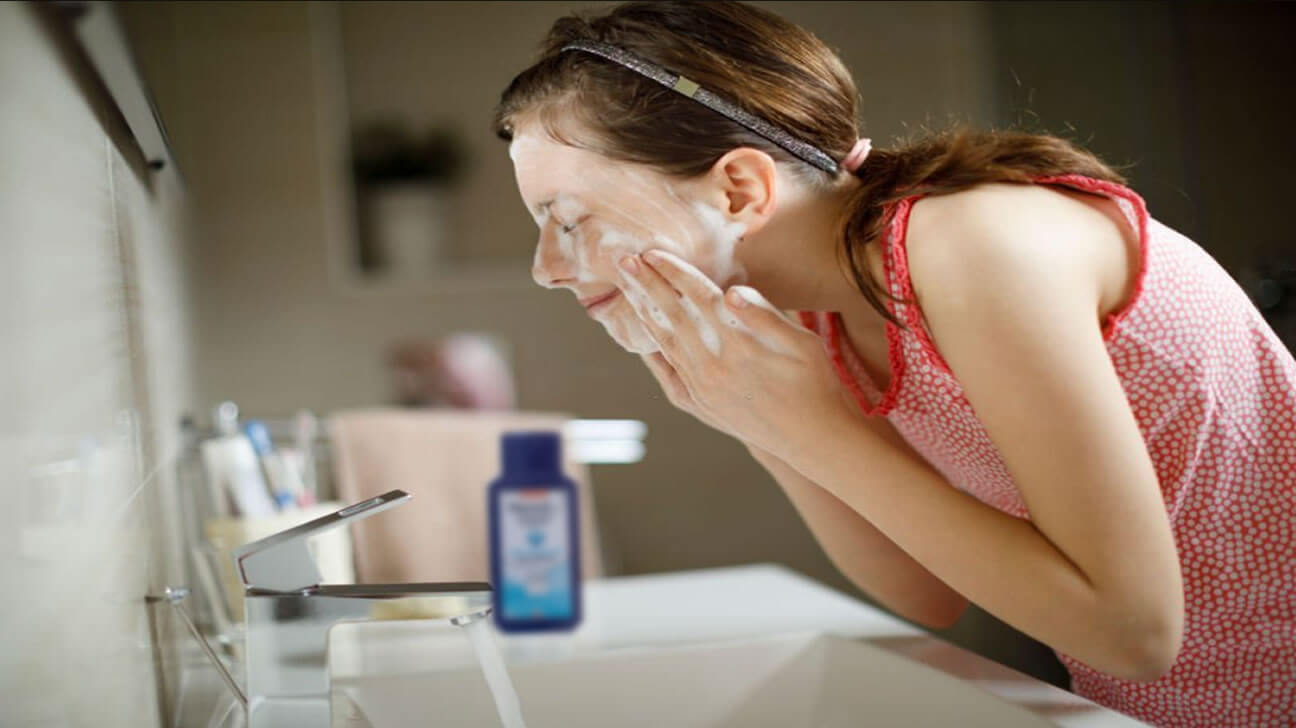
Table Of Contents
What is Nizoral?
Nizoral is a medicated anti dandruff shampoo that is used to treat infections caused by fungi.
It can be used to treat various types of fungal infections, including those of the skin, nails, and hair. Nizoral is also sometimes used to treat pityriasis versicolor, dandruff, and seborrheic dermatitis.
Nizoral shampoo contains ketoconazole, an antifungal medication that works by killing the fungi that are causing the infection. This prevents the fungi from growing and spreading further.
In order to be effective, Nizoral shampoo must be used on a regular basis until the infection has cleared up completely and occasionally to avoid relapses.
How is fungal acne (pityrosporum folliculitis) different from regular bacterial acne (acne vulgaris)?
Fungal acne is caused by a yeast overgrowth within the hair follicles of the skin. This can happen when the skin’s natural balance is disrupted, which can be due to a number of factors, including certain medications, warm weather, and sweating.
Regular acne is caused by a build-up of oil and dead skin cells in the pores.
Fungal acne often appears as small, red, itchy bumps on the upper arms, chest, back, and shoulders. It can also show up on the t-zone, cheekbones, and forehead.
It is important to note that fungal acne is not caused by poor hygiene. In fact, over-washing can actually make the condition worse.
Treatment for fungal acne typically includes the use of antifungal medications, including oral antifungal medication, prescription antifungal creams, and other treatments such as selenium sulfide, zinc pyrithione, and ketoconazole-based therapies like topical nizoral shampoo.
How to treat fungal acne with nizoral anti-dandruff shampoo
Can I use ketoconazole to treat fungal acne on my face?
Yes, you can.
Ketoconazole is an antifungal medication that is effective against a wide range of fungi, including the yeast that can cause fungal acne.
When used as directed, nizoral for acne can help to reduce the number of fungi on the skin and clear up fungal infections.
However, it is important to note that ketoconazole should not be used as a regular part of your skincare routine and should only be used when you have an active fungal acne infection.
If you have any questions or concerns about using nizoral for treating fungal acne on your face, please speak to a board certified dermatologist or your healthcare provider.
To use nizoral as a face wash for fungal acne, simply wet the affected areas with lukewarm water.
Massage a small amount of product (the length of your index finger) onto your skin or scalp and let it sit for 5 minutes.
Rinse the shampoo off with lukewarm water and follow with your regular moisturizing routine. For best results, use nizoral for acne once or twice a week.
Pro-Tips
If you are using nizoral for fungal acne pimples, there are a few simple things you can do to reduce your risk of experiencing undesirable side effects.
First, only use the shampoo as directed by your healthcare provider.
Second, be sure to rinse the product off thoroughly after each use.
Thirdly, use a hydrating toner on your face twice a day to keep it smooth and hydrated, and to prevent the skin from becoming dehydrated, follow with a safe and oil-free moisturizer.
Fourthly, avoid contact with your eyes when using nizoral shampoo—if you do get the ketoconazole in your eyes, rinse them out immediately with water.
Lastly, if you experience any redness, itching, or other irritation after using nizoral shampoo, stop using the product and contact your healthcare provider.
How long does it take for Nizoral to clear fungal acne?
Some people may see improvement after two weeks of treatment, but it may take up to four weeks for the full effect of Nizoral shampoo to be seen. It may take longer for the acne to clear up if it is severe.
Other tips for effectively treating fungal acne
Ingredients to avoid when dealing with fungal acne
When it comes to fungal acne, nizoral is an effective treatment option. However, there are certain skincare ingredients that you should avoid while using nizoral, as they may slow down its efficacy.
Some common skin care ingredients to avoid while using nizoral include:
Coconut oil, olive oil, rosehip oil, oleic acid, palmitic acid, linoleic acid, and stearic acid.
Oral antifungal medication.
This type of medication is prescription only and can help to kill the fungus that is causing the acne.
Sulfur Mask
Sulfur is an effective treatment for both bacterial and fungal growth.
It not only helps to kill the fungus or bacteria that causes acne, it also has anti-inflammatory properties that can help to reduce redness and swelling.
It’s also a keratolytic agent, which means it gently exfoliates dead skin cells and controls excess oil.
Other traditional acne treatments like salicylic acid and azelaic acid can help with the healing process of fungal acne. However, they shouldn’t be used in place of nizoral.
Pro-Tip:
Use our skincare ingredient checker to double-check all of the products in your skincare routine. To be sure none of them are feeding the fungus that causes fungus acne.
Shop Nizoral to treat acne
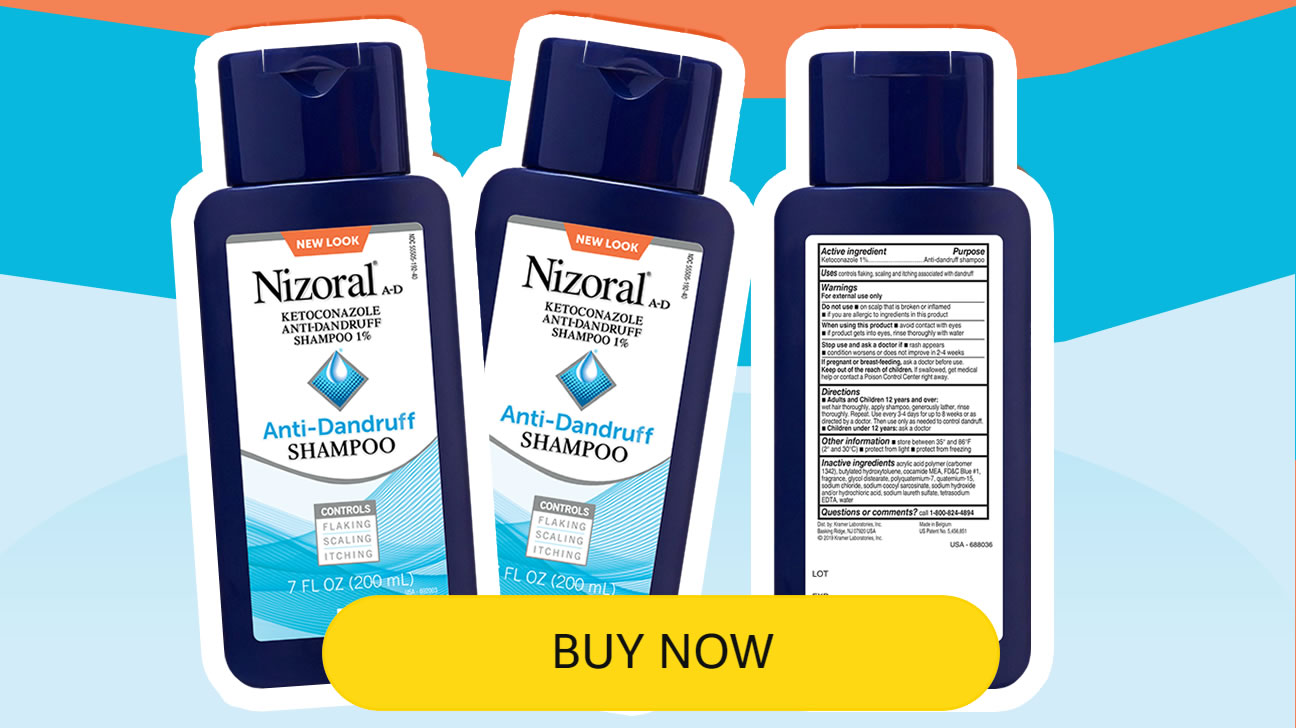
Nizoral 1 percent dandruff shampoo is available over-the-counter. A stronger 2 percent version, which may be acquired by prescription, is also available.
Both products contain ketoconazole, the same active component that fights yeast overgrowth on the skin.
[Shop Nizoral for Acne Now at Amazon]
Summary
Nizoral is an effective treatment for fungal acne, as it helps to reduce the growth of the fungus that causes the condition. When used as directed, Nizoral can help to clear up fungal acne and improve the appearance of the skin.
Join the Folliculitis Scout Community
Above all, remember that you are not alone in your struggle with fungal acne.
Folliculitis Scout is an entire community of folks dealing with this problem who are willing to share their solutions.
If you’re serious about improving your skin, it’s never been easier to join and become a member of this supportive community of skincare warriors.
You may also connect with us on Facebook.
Other Articles on Acne
6 Sources
- https://www.ncbi.nlm.nih.gov/books/
- Skin diseases associated with Malassezia species. J. Am. Acad. Dermatol. Gupta A, Batra R, Bluhm R, Boekhout T, Dawson L.
- Three etiologic facets of dandruff and seborrheic dermatitis: Malassezia fungi, sebaceous lipids, and individual sensitivity. J. Investig. Dermatol. Symp. Proc. DeAngelis Y, Gemmer C, Kaczvinsky J, Kenneally D, Schwartz J, Dawson T. 2005.
- Malassezia and the Skin, Science and Clinical Practice Boekhout, T., Guého-Kellermann, E., Mayser, P., Velegraki, A. (Eds.)
- A study of the fatty acid metabolism of the yeast Pityrosporum ovale. Wilde, P. F., and P. S. Stewart. 1968. Biochem. J.
- Malassezia, dandruff and seborrhoeic dermatitis: an overview. Br. J. Dermatol