

The 7 Best Face Washes For Acne. Period.
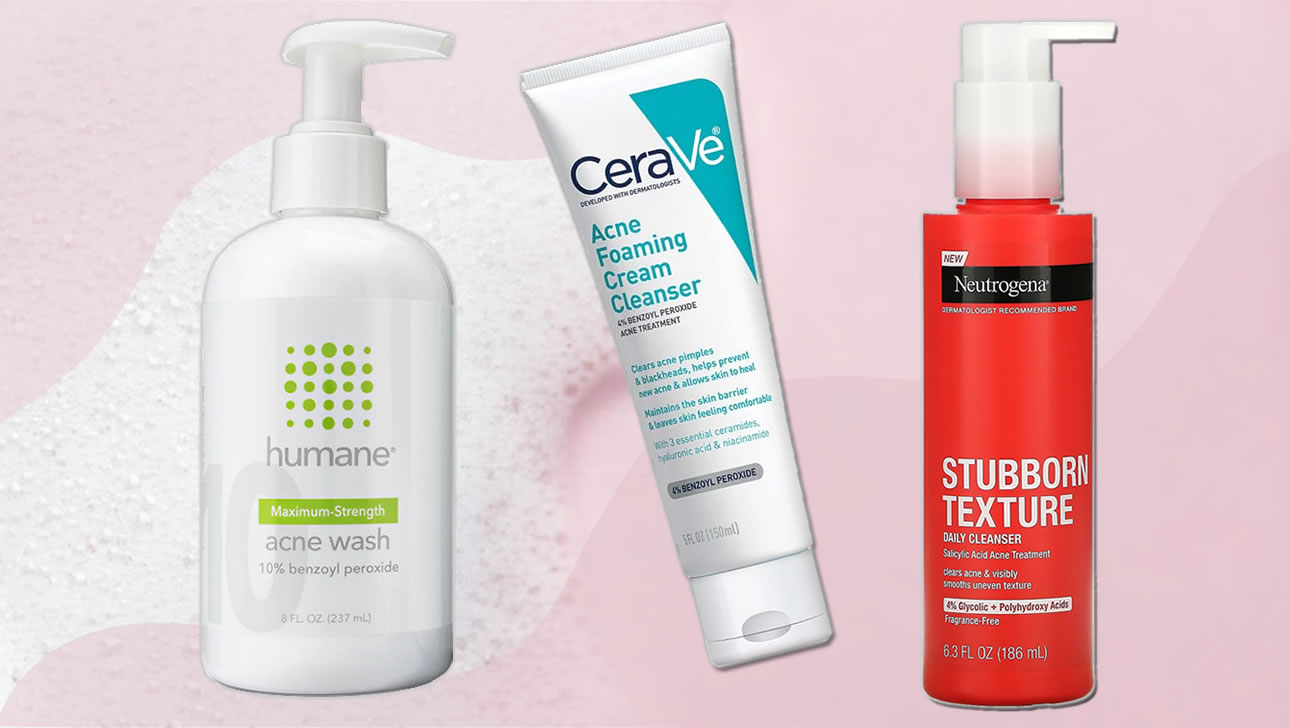
Table Of Contents
When it comes to finding the best face wash for acne, there are a few things you need to keep in mind.
First, you want to make sure that the face wash is gentle enough not to irritate your skin.
Second, you want to choose a face wash that contains ingredients that will help to control the oil production and kill acne causing bacteria in your skin.
Lastly, you want to find a face wash that will help to exfoliate your skin, which will help to prevent the build-up of dead skin cells that can clog your pores.
There are a few different facial washes on the market that meet all of these criteria, and we’ve rounded up the best ones for you below.
If you have been searching for that perfect face wash or cleanser for acne, you’re on the right track. Here is an overview of some TOP choices.
- Best overall for blackheads, whiteheads: Cerave Face Wash – Acne Foaming Cream Cleanser
- Best for oily, acne-prone skin: Humane – Acne Face Wash (10% Benzoyl Peroxide)
- Best for acne-prone, dry skin: Cerave Face Wash – Acne Foaming Cream Cleanser
- Best for stubborn acne: Neutrogena – Stubborn Texture Acne Facial Cleanser
- The best option for sensitive skin with acne: Differin -Daily Deep Cleanser
- Best for hormonal & cystic acne: Almond Clear – Face & Body Wash
- Best for adult & teenage acne: Humane – Acne Face Wash (10% Benzoyl Peroxide)
- Best for dull or uneven skin or large pores: Neutrogena – Stubborn Texture Acne Facial Cleanser
- Best for normal and combination skin types with acne: Cerave Face Wash – Acne Foaming Cream Cleanser
- Best for aging skin with acne: DRMTLGY – Gentle Acne Cleanser
- Best for fungal acne, acne, and eczema-prone skin: Dr. Eddie’s Happy Cappy Medicated Shampoo
What causes Acne
Acne Vulgaris or simply “Acne” can affect up to 85% of people between the ages of 12 and 24 ( American Academy of Dermatology, 2022). It is caused by a number of factors, including hormones, genetics, and inflammation [1].
This skin condition occurs when your hair follicles become plugged with oil and dead skin cells. Acne can occur on the face, neck, chest, back, or shoulders.
When the pores become clogged, they can trap bacteria, which can lead to inflammation and infection.
Hormonal changes can also trigger or worsen acne, especially during puberty.
Furthermore, Genetics plays a role in acne susceptibility, meaning that if your parents had acne, you’re more likely to get it as well.
And finally, inflammation can cause or aggravate acne. Acne is a complex condition, and finding treatment requires understanding your individual skin type and what causes your acne.
Common Causes of Acne:
- Cutibacterium acnes – C. acnes – The bacteria that causes acne
- Hormone changes
- Genetics
- Excess oil
- Stress
- Puberty
- Drugs
- Environmental conditions (pollution, humidity)
- Squeezing pimples
What are the different types of acne?
Blackheads
These are small, dark-colored bumps that develop when your pores become clogged with oil and dead skin cells. Blackheads can be annoying, but they’re non-inflammatory and usually not painful.
Whiteheads
These pimples are similar to blackheads, but they are bigger and have a white center. Whiteheads can also be bothersome, but they’re a rarely painful form of non-inflammatory acne.
Papules
These are small, red, inflamed bumps approximately 1 centimeter around that can be painful. Papules are a type of acne called inflammatory acne.
Pustules
Are another form of inflammatory acne. These are small, puss-filled red, inflamed bumps that may hurt when you touch them.
Nodules
This severe form of inflammatory acne is a big painful lump on the surface of the skin and doesn’t have a “head” like the other forms of acne. It’s skin-toned color and may turn red. Nodules are deep within the skin and are very hard to the touch. Because of this, they often can’t be successfully treated with topical medications.
Cystic acne
Is a big pain literally. It’s a type of inflammatory acne that forms large, pus-filled, red, and painful lumps on the surface of the skin. Cystic acne is the most severe form of acne and can be very difficult to get rid of.
Is it really acne?
There are a few different skin conditions that might be confused for acne, here are a few of the most common ones:
Polycystic ovary syndrome (PCOS), rosacea, and seborrheic dermatitis.
PCOS is a hormonal disorder that can cause irregular menstrual cycles, weight gain, fertility problems, and of course acne-like pimples.
Rosacea is a chronic skin condition that causes redness, flushing, and pimples. Rosacea has no known cure.
Seborrheic dermatitis is a skin disorder that causes scaly, itchy skin along with acne-like lesions
Could it be fungal acne?
Malassezia, a species of yeast from the fungus kingdom, is one of the many organisms that live on human skin.
When this organism develops an overgrowth, it can infect the hair follicles causing redness, bumps, and itchiness. This skin condition is called Malassezia folliculitis or fungal acne.
It is characterized by the formation of papules and pustules on the face due to this organism growing on and in the skin.
Long-term antibiotic use, hormonal imbalances, overindulgence in facial peeling acids (AHAs, BHAs), a lengthy stay of sweat, and dampness on the skin are all possible causes.
We cover fungal acne here in great detail and here’s how to treat and prevent fungal acne.
If you’re not sure whether you have acne, fungal acne, or one of these other conditions, it’s best to see a dermatologist for an accurate diagnosis.
The DOs and DON’Ts of cleansing blemish-prone skin
DO
- Rinse your acne-affected areas twice a day; morning and before bedtime
- Pat skin dry with a sponge or towel, then apply a non-comedogenic toner to help rebalance the skin’s pH and prepare for locking in moisture.
- While skin is still moist (but not yet fully dry), use a moisturizer to hydrate the skin
- Apply sunscreen, because UV lights can cause wrinkles, damaged skin, and aggravate acne
DON’T
- Don’t over-wash or overuse different products. A study found washing more than twice a day may worsen acne conditions by increasing inflammation and papules [2].
- Don’t scrub acne-affected areas too much. Follow the directions on the product for optimal results.
- If you have sensitive skin, make sure not to apply acne cleansers for more than 60 seconds unless the product says otherwise. This can result in a drying effect.
- Wash your face with lukewarm water instead of hot water. Despite the fact that many people believe that high-temperature water might open your pores, this is a myth. Pores aren’t muscles that expand when they’re exposed to hot water. However, steam treatments may be used by experts to soften the skin before conducting various in-spa cosmetic procedures.
Differences between a Face Wash & a Cleanser
When it comes to the debate of face wash vs. cleanser, it really depends on what your skin needs and what kind of product you prefer.
Face washes are typically designed to cleanse the skin of dirt, oil, and makeup, while face cleansers are meant to deeply cleanse the skin and remove impurities.
| Skin Type | Function | Usage | Key Differences | |
| Face Wash | Oily skin & combination skin | Deep cleanses pores to remove impurities (sebum & dirt) | 1-2 a day -This can vary depending on skin type/condition | Substitutes for soap; foams up -Often Gel, or Foam |
| Facial Cleanser | Dry & sensitive | Purify, hydrate face, soften the face | 1-2 a day -This can vary depending on skin type/condition | Nonfoaming -Hydrating -Often doesn’t contain: sodium lauryl sulfate – Often doesn’t bubble or foam |
Steps to enhance acne elimination and prevention
Routine for Healthy-Looking Skin
Cleansers are merely one aspect of an acne-free lifestyle, in our view. Face washes and face cleansers are simply a start to your acne-free life. Leave-on acne treatments, in our experience, provide the greatest results. Moisturizing lotions, gels, and sunscreen may all assist in better management of acne.
Here are a few more pointers to help you get the most out of your acne-fighting efforts.
Treat
Anti-acne spot-treatment gels, lotions, and serums may be used on the skin to stop acne-causing bacteria as well as prevent future breakouts.
Moisturize
Apply your preferred non-comedogenic moisturizer to seal in the moisture and prevent transepidermal water loss.
Protect
Inevitably, there will be the sun. With an SPF of at least 30, sunscreens shield your skin from the sun’s damaging UVA and UVB radiation, which can accelerate the aging process.
How to choose the best face wash for acne-prone skin
The most common OTC active ingredients used in treating acne are salicylic acid and benzoyl peroxide. Keep in mind higher concentrations might be drying or irritating on dry or sensitive skin.
The importance of pH in the development of skin problems such as acne is also equally vital.
Here are some things to think about while looking for the best acne face wash for your skin.
pH
pH stands for “hydrogen potential” and the typical pH of healthy human skin is 4.7 or below 5 which makes it slightly acidic [3].
If the ph goes up then the skin may fail to properly regulate moisture causing the skin to dry out, too low and the skin may become inflamed and cannot defend against harmful invading microorganisms.
Thus maintaining an optimal pH level is essential for not only proper barrier function but also for maintaining healthy glowing skin.
A compromised barrier may allow your skin to become more prone to acne and inflammation so it’s important to rebalance your skin’s pH with a non-comedogenic toner after cleansing.
Salicylic Acid – Exfoliation for dead skin cells
Some people prefer to use natural ingredients to treat their acne. Salicylic acid is one such ingredient, it is derived from the willow tree’s bark and can be found in many face washes marketed as being helpful for acne.
Salicylic acid is a type of beta hydroxy acid (BHA) that penetrates the lipid layers of the skin and helps to break down the bonds between dead skin cells [4].
This process of exfoliation helps to unclog pores and clear out the buildup of excess sebum and other debris that can contribute to acne.
Moreover, its exfoliating properties, salicylic acid also has anti-inflammatory and antimicrobial effects, which can help to reduce the redness and swelling associated with acne.
Additionally salicylic effectively treats acne mechanica [5].
Salicylic acid at a concentration of 2% is commonly well tolerated by a wide range of skin types and is an excellent place to start when it comes to topical acne therapy.
Benzoyl Peroxide (B.P. Or BPO) – Give acne causing bacteria a K.O.
As a common ingredient in many over-the-counter acne treatments, BPO works by helping to kill the bacteria that can cause acne breakouts, due to its antibacterial and anti-inflammatory properties [6, 7].
B.P. can be used as a leave-on spot treatment or as a rinse-off facial treatment wash, depending on the severity of your acne. Look for products with a 2.5% or 5% BPO concentration when using facial cleansers to treat acne.
Be sure to start with the lower concentration and increase if needed.
Since B.P. can cause dryness, redness, and irritation, it’s important to start slowly and see how your skin reacts. If you have sensitive skin, you may want to try a product that contains micellar water or hyaluronic acid to help reduce the risk of irritation.
Benzoyl peroxide concentration requirements to eliminate acne causing bacteria on oily skin, sensitive skin, and dry skin types.
- 10% for oily skin
- 5% for normal skin
- 2.5 -4% for dry skin
- 2.5 % for sensitive skin
Pro-Tip
Reducing irritation while using Benzoyl Peroxide:
Use for two to five minutes at a time and then rinse to see how your skin responds. This will only slightly diminish efficacy, but will significantly eliminate any potential irritation.
When searching for the best face wash for ance, keep these additional product features in mind.
Is it a non-comedogenic formula:
A non-comedogenic facial cleanser is the best type of cleanser to use if you suffer from acne. This type of cleanser is designed to cleanse the skin without causing any further blockages and clogged pores.
This can help to reduce the number of blemishes (blackheads or whiteheads) and breakouts that you experience.
In addition, a non-comedogenic facial cleanser is often less drying and irritating than other types of cleansers, which can also be beneficial for acne-prone skin.
If you are looking for the best face wash for acne, be sure to choose a non-comedogenic option. See our recommendations below.
Cleanser formulation types:
Foaming cleansers
Foam cleansing formulas generally have a higher pH and are considered more alkaline than acidic. Dry skin may become drier as the natural oils are stripped during the cleanse
This formulation type is best for normal, acne-prone, and oily skin types.
Gel cleansers
While gel-based cleansing formulas tend to be more hydrating than foaming formulations, they may also leave your skin feeling dry. These cleansers are ideal for combination, normal, oily, and acne-prone skin.
Cream cleansers
Smooth, creamy cleansers are often more acidic and safeguard the skin’s pH. Because these cleansers have a lower pH, they enhance moisture and are more hydrating. They also seldom contain sodium lauryl sulfate [8 , 9 ,10 , 11 , 12].
Suitable for all skin types, but especially great for dry and sensitive skin.
Pro-Tip
If it isn’t mentioned on the package, check to see if it bubbles or foams; this usually means it’s a high pH cleanser.
Soap-Free formulations
A soap-free facial cleanser can be a great option for people who suffer from acne. These products are developed to keep the skin’s natural oils intact while cleansing, which helps keep the skin hydrated and prevent further breakouts.
They also often exclude the typical surfactants like sodium lauryl sulfate, which has a drying and irritating effect on the skin due to its moisture-scavenging properties. It can also cause the skin to produce more sebum, which can clog pores leading to more breakouts.
The correct the way to wash your face
According to the American Academy of Dermatology (AAD, 2022) here are steps to wash your face.
Steps to wash acne skin:
- Step 1 Wet your face with warm water
- Step 2 Apply cleaners to the face with your fingertips
- Step 3 Resist scrubbing your skin, instead lather skin
- Step 4 Rinse face with warm water
- Step 5 Next, dry your face with a soft towel
- Step 6: Then, apply moisturizer to help hydrate your skin
The 7 Best Face Washes for Acne
Acne can be a frustrating skin condition to deal with. Some people seem to be able to wash their face with any old bar of soap and never have a problem, while others have to be careful about every product they use, or their skin will flare up.
If you’re in the latter category, don’t despair! There are still plenty of options for you when it comes to finding the best acne face wash.
Affiliate Disclosure: We may earn a small commission if you buy products through our links.
CeraVe Face Wash – Acne Foaming Cream Cleanser
Looking for a face wash that can help clear your acne and blackheads? Look no further than CeraVe’s Acne Foaming Cream Cleanser.
Cerave face wash contains 4% benzoyl peroxide, which helps to clear away pimples and blackheads and prevents new ones from forming.
This benzoyl peroxide face wash contains ceramides that help to maintain the skin’s natural barrier, while hydrating hyaluronic acid attracts hydration to the skin’s surface, keeping it soft and supple.
Niacinamide also helps to calm any redness or irritation you may be experiencing. Plus, this cerave cleanser is non-comedogenic, so it won’t clog your pores. This product was developed in collaboration with dermatologists and is sure to be a hit with those looking for the best acne treatment.
Pros
- Key Ingredients: 4% Benzoyl Peroxide, Ceramides, Hyaluronic Acid & Niacinamide
- Kills acne causing bacteria
- Clears existing acne – Blackheads & Whiteheads
- Allows skin to heal and prevents new breakouts
- Contributes to the maintenance of a healthy skin barrier
- Skin Types: Acne-prone Skin, Combination Skin, Oily Skin
- Non-Comedogenic
- Fragrance-Free
Cons
- May cause dryness on very sensitive skin
Humane – Acne Wash (Maximum-Strength)
If you are looking for an acne face wash with maximum strength, Humanes’ Acne Wash may be exactly what you need to achieve clear skin.
This 10% benzoyl peroxide face wash clears away blackheads, whiteheads, pimples, and cysts quickly and easily. Plus, it helps reduce inflammation and redness – perfect for those tough-to-treat areas.
And because it’s SLS-free, the non-foaming formula can be used as a facial wash, body wash, or back acne treatment without irritating your skin.
So why wait? Start seeing results today with Humane’s Maximum-Strength 10% Acne Wash.
Pros:
- Key Ingredients: 10% Benzoyl Peroxide (Maximum Strenght), Gluconolactone
- Good for Whiteheads, Blackheads, Cysts beneath the skin
- Skin Types: Acne Skin, Oily Skin, Combination Skin
- Use on the face, body, or other acne-prone areas
- Removes excess oil and dead skin cells
- Dermatologist Tested
- Fragrance-Free
- SLS free
- Non-Comedogenic
- Cruelty-Free
- Gentle enough for daily use
- Possibly one of the finest face washes for acne
Cons
Not recommended for sensitive skin
Neutrogena – Stubborn Texture Acne Facial Cleanser
Stubborn Texture face wash for acne is a scientifically-proven daily face wash that contains a dermatologist-grade acid complex. This acne face wash gently exfoliates to clear stubborn acne and shed rough, surface skin cells – leaving skin smooth and soft with visible results in just 1 week. So if you’re looking for an effective, affordable acne treatment, Neutrogena is the way to go.
Pros
- Key Ingredients: 1% Salicylic Acid, 2% Glycolic Acid, 2% Gluconolactone
- Works Best For Whiteheads, Blackheads & Stubborn Acne
- Skin Types: Acne Skin, Oily Skin, Mature Skin
- Rectifies Uneven Skin Texture
- Dermatologist Recommended
- Fragrance-Free
- Sulfate-Free
- Non-Comedogenic
- Paraben-Free
- Oil-Free
Cons
- May cause dryness
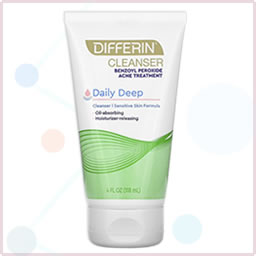
Differin – Daily Deep Cleanser
Differin Daily Deep Cleanser is a powerful but gentle acne cleanser that you can rely on.
The product contains 5% benzoyl peroxide, which is just as effective as 10% benzoyl peroxide, except it causes less irritation and dryness.
In addition, the micronized composition penetrates deeply into pores to absorb excess oil and produce a light moisturizer that does not clog pores.
Because of this, people with sensitive skin can use it as an effective therapy for acne. Additionally, this cleanser is great for those who suffer from maskne and wish to rid of it fast!
When it comes to acne face washes, Differin Daily Deep Cleanser is one of the best options out there.
Pros
- Key Ingredients: 5% Benzoyl Peroxide
- Works Best On Whiteheads, Blackheads, Maskne (Mask Acne)
- Skin Types: Sensitive Skin, Acne Skin, Oily Skin
- Moisture-Releasing
- Oil-Absorbing
- Gentle Formula – Won’t Strip Skin
- Provides Powerful Deep Powerful Cleaning
- Dermatologist Developed
- Fragrance-Free
- Sulfate-Free
- Non-Comedogenic
- Paraben-Free
- Oil-Free
Cons
- Depending on your skin type and condition dryness may occur
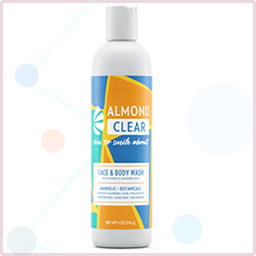
Almond Clear Face & Body Wash
This multi-purpose face and body wash by Almond Clear combines versatility and efficacy in a single product.
The 2% Mandelic Acid-based gel formulation has a variety of capabilities for blemished-prone skin.
This gentle cleanser exfoliates and removes dead skin cells. Antibacterial and antifungal capabilities combat microbes that cause skin problems. Anti-inflammatory qualities contribute to the reduction of redness and swelling.
Mandelic acid also promotes collagen synthesis, resulting in tighter, brighter skin as well as reducing acne scars.
Includes a proprietary blend of medicinal, energizing herbs, including pomegranate and green tea extracts.
It’s ideal for use on the face or body to treat acne and alleviate a variety of skin ailments.
Additionally, it is free of irritating ingredients and fragrances, so it’s less likely to cause skin irritation. This makes it safe for even the most sensitive skin. Give it a try today and see the results for yourself!
Pros
- Key Ingredients: 2% Mandelic Acid
- Works Best On Blackheads, Whiteheads, Keratosis Pilaris, Cystic Acne, Fungal Acne, Ingrown Hairs
- Skin Types: Sensitive Skin, Acne Skin, Aging Skin, Oily Skin, Sun Damaged Skin
- Gentle Everyday Cleansing
- Provides Powerful Deep Powerful Cleaning
- Non-Comedogenic
- Oil-Free
- Fades Hyperpigmentation
- Dermatologist Developed
- Fragrance-Free
- Sulfate-Free
Cons
- Mild irritation is possible initially.
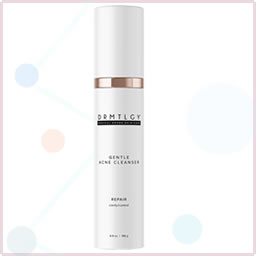
DRMTLGY – Gentle Acne Cleanser
This cleanser is designed specifically for acne-prone skin, and it can help to reduce breakouts and promote healing.
This gentle cleanser combines 2% acne-fighting salicylic acid acne treatment, with 16 nourishing botanicals to effectively remove existing acne and prevent future breakouts without over-drying the face.
DRMTLGY ‘s salicylic acid cleanser is an oil-free solution that works to eliminate blemishes and breakouts by absorbing excess oil, debris, and makeup without the use of harsh chemicals. It also does not leave any film or product residue after cleansing.
Unlike your average basic acne cleansers that can strip the skin of its natural oils, DRMTLGY’s Acne Face Wash is non-drying and gentle enough for daily use.
Pros
- Key Ingredients: 2% Salicylic Acid, Niacinamide, Clary Sage, Licorice Extract, Panthenol
- Works Best On Whiteheads, Blackheads
- Skin Types: Oily, Normal, Dry, Combination, Sensitive Skin
- Oil-Free
- Non-Drying
- No Artificial Fragrance
- Clear & Prevents Breakouts
- Absorbs excess oil
- Leaves no after-rinse residue
- Sulfate-Free
- Paraben-Free
Cons
- Not Fungal Acne Safe
- Contains Essential Oils
- Can at times be drying, especially if you’re not moisturizing
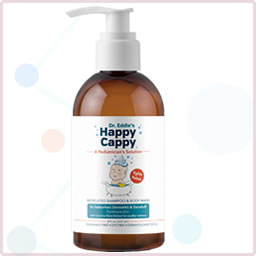
Dr Eddie’s – Happy Cappy Medicated Shampoo – Antifungal Face Wash
Although this is an anti-dandruff shampoo for children, and it may seem odd to wash your face with it, we understand; we feel the same way.
The important thing to remember is that while listed as a medicated antidandruff shampoo in this category, this is a very effective yet gentle product for many types of ance.
It contains an active ingredient known as Pyrithione Zinc (ZnP) that is helpful not just against bacterial infections but also against fungal infections such as fungal acne.
Additionally, ZnP can lower sebum production and excess oil on the skin’s surface, which contributes to the prevention of acne vulgaris [13].
This means it may be able to simultaneously treat both forms of acne. These characteristics make it an ideal choice for those with acne prone skin.
Developed with a baby’s delicate skin in mind, Happy Cappy Medicated Shampoo can help to calm and normalize irritated skin.
This is achieved by the inclusion of two very potent ingredients. Licorice Root Extract has anti-inflammatory and antioxidant properties and Panthenol a humectant that helps to keep the skin hydrated and moisturized. Together they work synergistically to dramatically soothe the skin, by reducing redness, flaking, and itching.
These are just a few of the numerous benefits of including this antifungal face wash in your daily skin care routine.
Pros
- Gentle Formula
- Hypoallergenic
- Anti-Acne, Anti-Fungal Acne (Pyrithione Zinc)
- Sulfate-Free
- Fragrance-Free
- Dye-Free
- Oil-Free
- Paraben-Free
- Dermatologist Tested
- Vegan
- Cruelty-Free
Cons
- Sensitive compromised skin may experience dryness
Looking for a Natural Anti-Acne Face Wash?
If you’re looking for a more natural option, the best face wash for acne is probably the Tea Tree Oil Face Wash from Australian Bodycare. This face wash contains 100% natural ingredients and has a refreshing scent.
However, Teea Tree Oil Face Wash from Australian Bodycare contains Sodium Laureth Sulfate, which may cause irritation or dryness. Apart from that, it features tea tree oil, which has been shown in lots of research to be powerful against acne-causing bacteria.
A cleanser is only one part of the puzzle. Acne-prone skin needs a multifaceted approach to be properly treated.
Any good acne-fighting skincare routine will include more than just one product.
This means that acne treatments should target all four causes of acne: excess oil production, clogged pores, acne-causing bacteria, and inflammation.
Acne treatments that target only one or two of these causes are not as effective as those that address all four. For example, acne treatments that dry out the skin may help to reduce oil production, but they will do nothing to clear clogged pores or reduce inflammation.
The best acne treatments address all four causes of acne and are tailored to the individual’s unique skin type. This approach is more likely to lead to long-term success in clearing acne.
When to see a dermatologist
Visit a dermatologist if over-the-counter acne treatments can’t control breakouts.
If you’ve been struggling with acne and it’s not going away, it may be time to see a board certified dermatologist. A dermatologist can help determine the cause of your acne and prescribe the best treatment. They may also do a skin scrape or Wood’s lamp test to rule out fungal or bacterial acne
In Summary
When it comes to the best face wash for acne, there are a few key ingredients that you should look for that can help you achieve clearer skin.
Benzoyl peroxide and salicylic acid are two of the most effective ingredients for treating acne.
These ingredients are proven to kill acne-causing bacteria which helps to heal any existing painful pimples and prevent future breakouts
Tea tree oil and green tea extracts are also a great option for those with mild to moderate acne. However, for more severe acne, it is best to consult a dermatologist.
Articles On Fungal Acne
- The Best Acne Treatment Guide
- Sulfur For Fungal Acne, Acne, And Rosacea
- Fungal Acne Safe Toners Your Skin Will Love
- The Best Cleansers For Fungal Acne – An Updated List
- 18 Best Sunscreens for Fungal Acne (The Ultimate Guide)
- The Best Moisturizer For Fungal Acne Prone Skin
- How To Get Rid of Forehead Fungal Acne and Get Skin Clear Again
- How Can Selsun Blue Anti-Dandruff Shampoo Help With Fungus Acne?
- Need to know the Absolute Best Fungal Acne Safe Products For All Skin Types?
- Fungal Acne Treatment: The Ultimate Guide
- What is Fungal Acne
Join the Folliculitis Scout Community
Above all know that you aren’t alone in your fungal acne problems. There’s a whole community of people with this issue that are ready to share their tips and tricks for treating the problem. We love our community at Folliculitis Scout! Socialize with us as well on Facebook. It’s so easy to Join and become part of a community that truly supports each other through the journey to better skin.
13 Sources
- [1] https://my.clevelandclinic.org/health/diseases/12233-acne
- [2] https://pubmed.ncbi.nlm.nih.gov/17014635/
- [3] https://pubmed.ncbi.nlm.nih.gov/18489300/
- [4] https://www.ncbi.nlm.nih.gov/pmc/articles/PMC4554394/
- [5] https://www.aad.org/public/diseases/acne/causes/sports-equipment
- [6] https://www.ncbi.nlm.nih.gov/books/NBK537220/
- [7] https://pubmed.ncbi.nlm.nih.gov/19202772/
- [8] https://pubmed.ncbi.nlm.nih.gov/16283906/
- [9] https://www.ncbi.nlm.nih.gov/pmc/articles/PMC3425021/
- [10] https://www.mdpi.com/2079-9284/8/1/6/htm
- [11] https://www.ncbi.nlm.nih.gov/pmc/articles/PMC3579484/
- [12] https://onlinelibrary.wiley.com/doi/10.1111/jdv.14374
- [13] https://www.ncbi.nlm.nih.gov/pmc/articles/PMC4120804/